

Only 5 Percent of American Homes Have a Complete Emergency Kit According to a SafeHome national survey
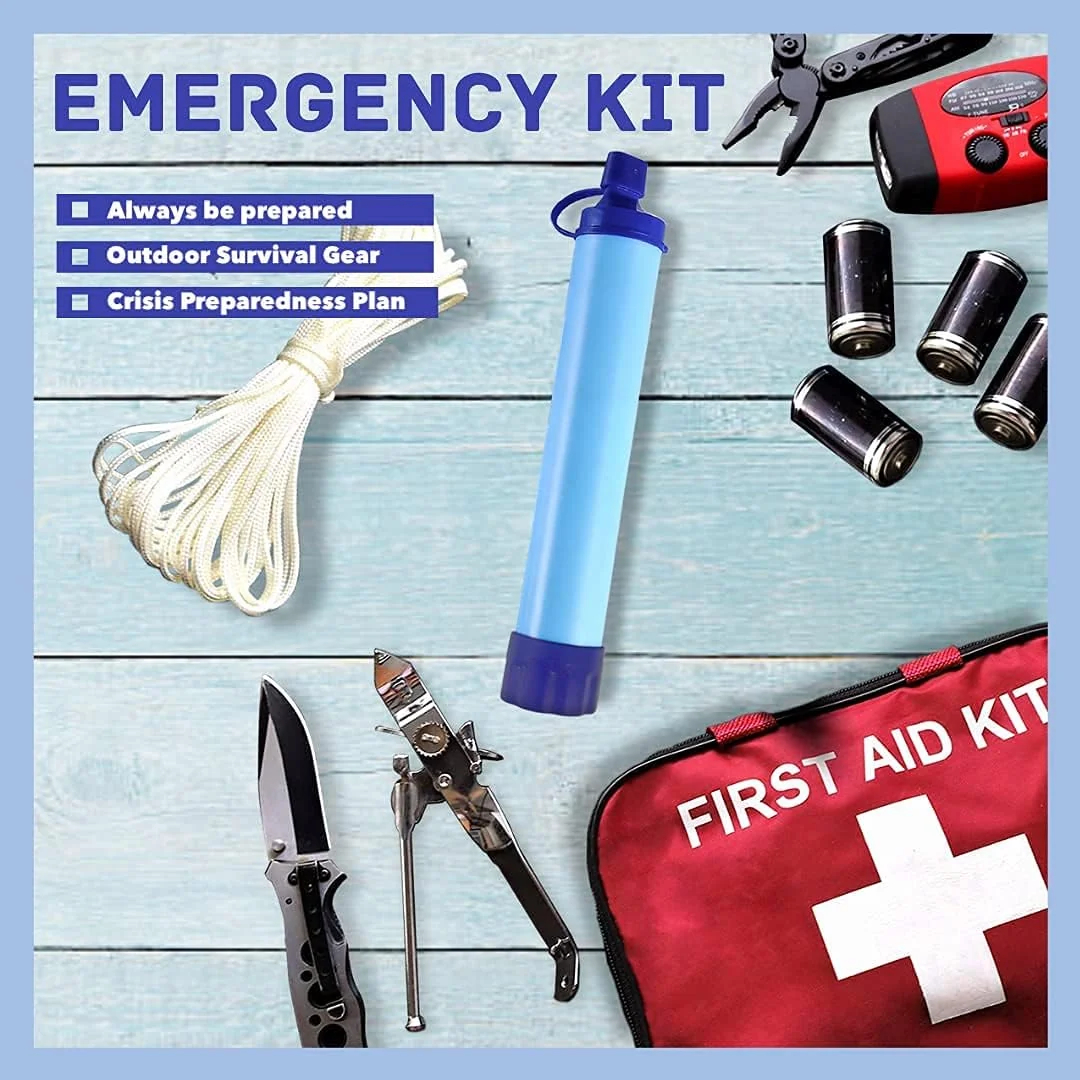
emmergency kit
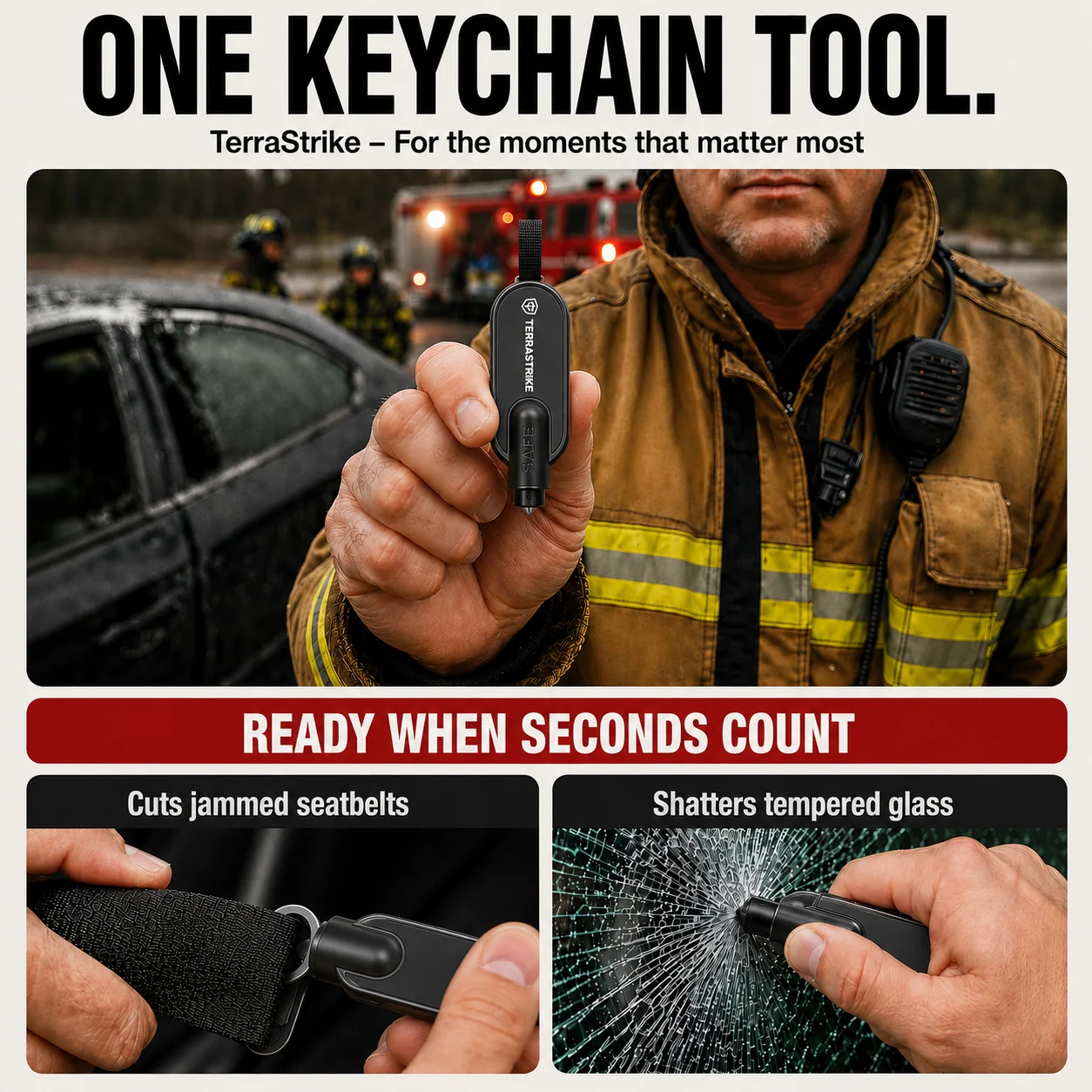
terrastrike emmergency kit
A SafeHome survey of 1,200 U.S. adults finds that 20 percent of homes lack any of the recommended emergency supplies, and 52 percent cite cost as a key barrier.
RIVERTON, WY, UNITED STATES, October 14, 2026 /EINPresswire.com/ -- Only 5 percent of American homes report having a fully stocked emergency kit, according to a national survey of 1,200 U.S. adults that SafeHome.org fielded in July 2025. One in five homes has none of the recommended supplies, and respondents named cost as the most common barrier.Most preparedness coverage asks whether a household owns an emergency kit at all. This survey measured something stricter: whether the kit is complete when judged against the basic supply lists published by the American Red Cross and Ready.gov. That stricter standard is where the 5 percent figure comes from.
Most Homes Hold Some Supplies, Few Hold Them All
Households were far more likely to have some items on hand than others, and the survey's supply breakdown shows how uneven the typical kit is:
59 percent have a three-day supply of pet food
58 percent have flashlights
58 percent have a three-day supply of personal medications
51 percent have first-aid kits
37 percent have adequate stores of drinking water
30 percent have sufficient emergency cash
22 percent have waterproof matches
19 percent have a backup power source
Drinking water heads the Red Cross supply list at one gallon per person per day, yet it trails flashlights by 21 percentage points. Backup power comes last, and the report notes that big-ticket items such as gas generators and solar power banks remain out of reach for many families.
Cost Is the Barrier Named Most Often
Fifty-two percent of respondents named the cost of supplies as a key reason they are not fully prepared. More than 20 percent said they were underprepared because they didn't know what to buy, while others pointed to physical limitations, lack of time, indifference, or doubts that preparing would make a difference.
Responses about cost were not evenly distributed. Lower-income households, particularly those headed by young adults and seniors, were the most likely to blame cost for falling short, and the report notes that rising food prices have added to that pressure.
The money pressure reaches past supplies. Fewer than 40 percent of households addressed their insurance during the past year, and barely a quarter of adults reviewed their disaster coverage, with 10 percent choosing to increase it. Some went the other way and cut coverage or let policies lapse, citing higher food prices, property taxes, stagnant wages, and rising premiums.
Concern Is Running Ahead of Preparation
The shortfall isn't due to a lack of worry. Forty-four percent of respondents said they are more concerned about emergencies and natural disasters than 12 months ago, while only 7 percent said they were less concerned. Almost two-thirds expect extreme heat in the coming year, about as many expect severe storms and more than half expect power outages.
That worry has turned into supplies more often than plans. Forty-seven percent of Americans added to their emergency supplies in the past year, but only one in five practiced a household contingency plan and one in ten coordinated with neighbors.
Confidence is thinner than concern. Only 26 percent feel very or extremely confident they would know what to do in a major disaster. Half of adults still get emergency guidance from traditional news outlets. Social media now rivals official channels as a source of help, since 41 percent of respondents turn to it for preparedness tips, compared with 40 percent who rely on FEMA or Ready.gov.
Why the Cost Finding Matters
Emergency preparedness is often discussed as a question of mindset. Respondents described budget constraints more often than any other obstacle, putting household finances at the center of the readiness gap.
"A lot of families keep putting the emergency kit off because the full checklist looks like one big, expensive project, so it never gets finished. Think of it like a fire extinguisher or a first aid kit. You're not paranoid for having one. You're responsible," said the team at Quiet Protector, a family emergency gear brand.
Quiet Protector makes compact water filtration and thermal protection gear for families, built to be stored in a closet, car or bag until it is needed.
About the Survey
SafeHome.org conducted the study as a self-administered online survey of 1,200 U.S. adults aged 18 and older on July 21, 2025. Quotas for sex, age group, state, and region kept the sample aligned with U.S. Census American Community Survey benchmarks, and respondents came from all 50 states and the District of Columbia.
The sample spanned a broad range of household incomes, with 22 percent reporting less than $35,000 a year and 19 percent reporting $125,000 or more. The overall margin of sampling error is ±2.8 percentage points at the 95 percent confidence level for estimates near 50 percent.
About Quiet Protector
Quiet Protector is a family emergency gear brand built on the belief that every family deserves to feel safe. Its founders are parents who have lived through real emergencies.
The company designs for real life, not doomsday scenarios, and its core TerraPore water filtration and TerraShell thermal protection lines focus on two essentials: clean water and staying warm when the grid fails.
Quiet Protector
Quiet Protector
Visit us on social media:
Instagram
Facebook
Legal Disclaimer:
EIN Presswire provides this news content "as is" without warranty of any kind. We do not accept any responsibility or liability for the accuracy, content, images, videos, licenses, completeness, legality, or reliability of the information contained in this article. If you have any complaints or copyright issues related to this article, kindly contact the author above.
